Education & event
How to store and recycle, four materials deep.
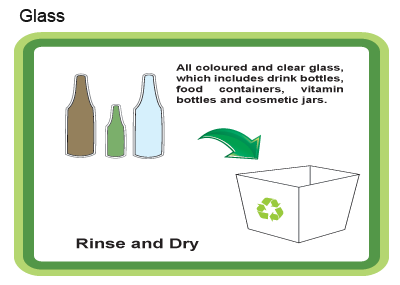
Paper
Most paper products are recyclable. This includes newspapers, flyers, magazines, junk mail, office papers, writing papers, scrap papers, chipboards (i.e. cereal boxes) and cardboard boxes. Bundle these items together before putting them in the recycle bin, and flatten cardboard boxes before tying them. Avoid using cardboard boxes as trash containers.
What can’t be recycled? Papers with plastic coatings or contamination: stickers, carbon papers, sanitary tissue papers and thermal papers.
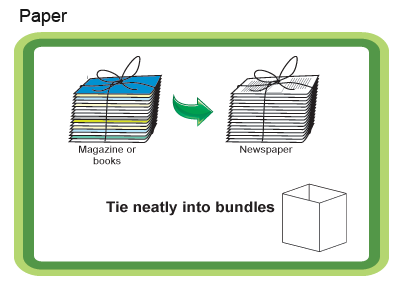
Plastic bottle
Just like papers, most plastics are recyclable. Since plastic never biodegrades in landfills, it is highly recommended to recycle as much plastic as we can: water bottles, milk cans or jars, bags, detergent containers, toys, plastic hangars, broken trash cans, shelves, baskets, rain ponchos, compact discs, video tapes and DVDs.
Give away unbroken toys or any plastic items that someone else can use instead of tossing them into the trash. There are organizations and people who are also willing to accept broken toys.
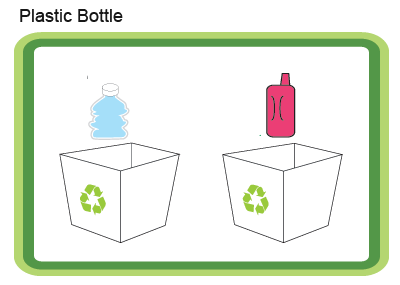
Beverage cartons
All Tetra Pak cartons can be recycled. All it takes is a little effort, so recycle your Tetra Pak cartons now and help protect the environment.
Recycling a Tetra Pak carton takes three simple steps: flip, flap and flatten used beverage cartons and send them for recycling.
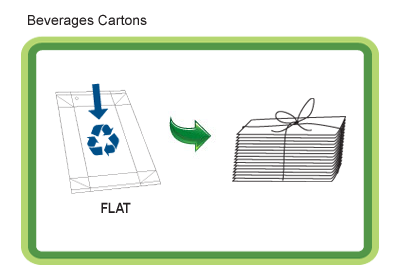
Glass, metal tin and can
Glass. Although glass does biodegrade, it takes thousands of years to disintegrate in landfills. Recycling glass is very easy: beverage containers, milk bottles and jars can all be recycled. Check with your local waste management company about windows, light bulbs, mirrors, glass tableware, Pyrex or auto glass. Ceramics contaminate glass.
Metal tin / can (aluminium). Aluminium is the easiest to recycle: soda or pop cans, tin cans and aluminium foils can all be recycled.